

If you have asbestos in your home or workplace, how can you tell if it is there? How can you know what level of exposure to asbestos would lead to sickness? Asbestos is so dangerous that even small quantities of asbestos are potentially deadly when inhaled. Since there is no way to determine if asbestos is present in an area without an asbestos survey, knowing where the asbestos could be present will help homeowners and workers in determining their next step. For Asbestos Removal Birmingham, visit Asbestos Removal Birmingham company TES Environmental

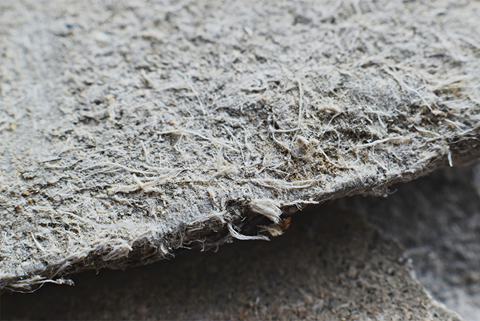
Image credit
Asbestos is a naturally occurring mineral that has been used in building materials for over 100 years. Before the advent of modern asbestos abatement methods, however, most buildings were built with asbestos in them, even though they were not actually built from the material. The only real difference is that modern techniques remove asbestos from building materials. Once it is removed, buildings are left with a lower concentration of the substance, but the risk remains. That is why it is important for anyone to make sure that they do not breathe in or touch any material that has asbestos.
Image credit
Asbestos removal is a difficult process, and it takes several weeks to complete the entire process. Asbestos removal workers use special equipment in order to remove the material from a structure. A machine known as a “chapper” can be used to break up the materials. The site is then cleaned after the material has been removed.
Why asbestos needs a professional check
Asbestos is only a danger once it is disturbed. Drilling, sanding or removing old materials during repairs can release fibres so small that you will not know you are breathing them in. Unlike ordinary dust, they can be inhaled over a long period before any harm becomes apparent, which is why exposure often goes unnoticed for years.
That makes it important to have a suspect material checked by a professional before any building work starts. An expert can confirm whether the fibres are asbestos and, if they are, remove the material safely and dispose of it securely.
When choosing someone to do this, look for a contractor who will also advise you on protecting your health and who can guarantee not only that the asbestos has been removed but that no further contamination has taken place.
Chrysotile and other forms in older buildings
Asbestos was used in many different building materials, including flooring and insulation. There are several forms of it, and each has its own properties that can damage health, so any suspected material should be treated with caution.
The form most often found in homes is chrysotile, commonly known as white asbestos. It was widely used in building products sold over many years, which is why it still turns up in older materials that have never been taken out.
Finding it is only the first step. Where asbestos is discovered, it needs to be dealt with properly, and in many cases removed by specialists, before any work disturbs it and releases fibres. Until then, leaving it undisturbed is the safest course.