

Pointing is the process of finishing mortar joints between bricks or stones. Bricks and stones are very durable and do not damage easily. The mortar that holds these materials together is not as durable and requires regular maintenance. When you need a Roofing Company Gloucester, visit https://liamtaylorservices.co.uk/
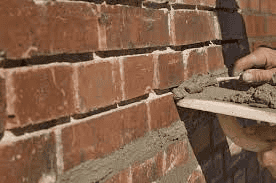
Masons remove damaged or deteriorated mortar from joints and replace them with new mortar. Repointing will not only improve the structural stability of your structure, but will also enhance the aesthetic appeal of stone or brick.
Repointing can be beneficial but it’s not a quick fix for any structural problems your home may have. Before repointing, it’s best to identify the cause of your problem. Before planning any work, ask your local masonry expert to look at the area.

What is the Process?
- Examination/Consultation
It is important to conduct a thorough inspection of the structure before starting any work. This will allow you to determine the extent of the repointing required and the possible damages caused by the eroded cement mortar. - Materials
You should always try to match new materials to the old as closely as you can. The repaired area should not be visible and shouldn’t cause aesthetic problems on the outside of your house. - Remove Old Mortar
The mason will then begin the process of removing old mortar from joints. It’s crucial to clean the joints after removing the old mortar before filling them up with new mortar. - Apply a New Mortar
The mason should first fill in the deepest recesses, then continue applying the mortar over several layers. To achieve the desired look, you should manipulate the mortar using appropriate tools.
Looking after masonry between repointing jobs
Good pointing is one part of keeping masonry sound. Walk round your walls every six to twelve months and look for wear, weather damage and signs that water is not draining properly. Make a list of jobs such as repointing, repairing mortar joints or filling hairline cracks. If you find damp, a damp proof course just above ground level or downpipes that discharge water at least two metres from the wall can help.
Avoid waterproof or water repellent sealants as a cure for moisture. Instead, make sure flashing is in place and repair cracks in the masonry and joints.
Only clean masonry when it is heavily soiled or dirt is causing wear, and use the gentlest method possible, such as a low pressure wash with detergent and a natural bristle brush. Test any cleaner on a hidden area first. Unpainted masonry is usually best left that way. If painted masonry is flaking, hand scrape only the loose areas, leave well bonded paint alone, and clean thoroughly before repainting with masonry paint.